“Is My Crypto Safe on an Exchange?” Ask Three Better Questions
"Safe" has no answer. Who holds the keys, who insures it and what happens on default do, and each can be checked…
Page 2 of 3
"Safe" has no answer. Who holds the keys, who insures it and what happens on default do, and each can be checked…
A hardware wallet solves one problem well: keeping the private key off an internet-connected computer. It does not check what you sign,…
The US stablecoin law was signed in July 2025 but takes effect later. What it sets out for payment stablecoin issuers, why…
When a platform fails, the same balance can make you the owner of specific assets or one unsecured creditor among thousands. How…
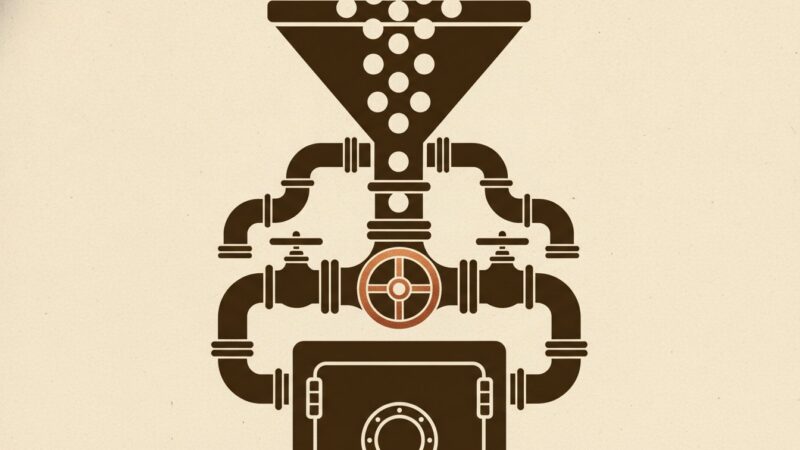
What actually happens to a coin after it reaches a custodian: the wallet it lands in, the ledger that records it, the…
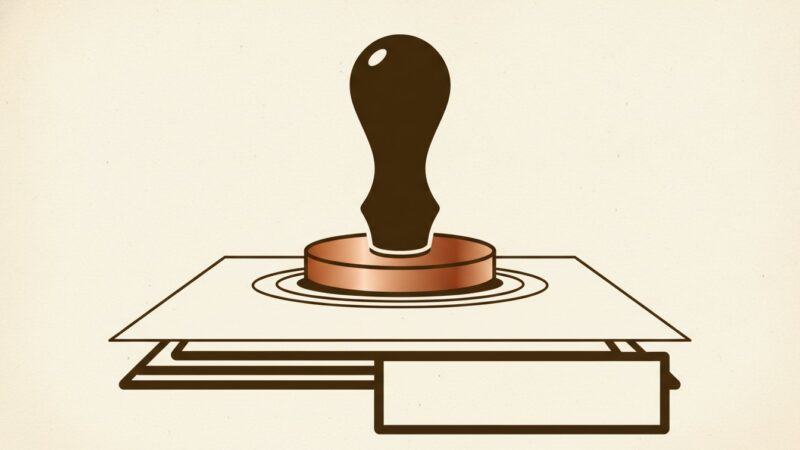
Custodians announce SOC reports, ISAE examinations, reserve attestations and code audits with the same word. How to tell them apart by scope,…

"Held in cold storage" describes where keys rest, not how safely assets move. The handling failures that defeat offline custody for individuals…
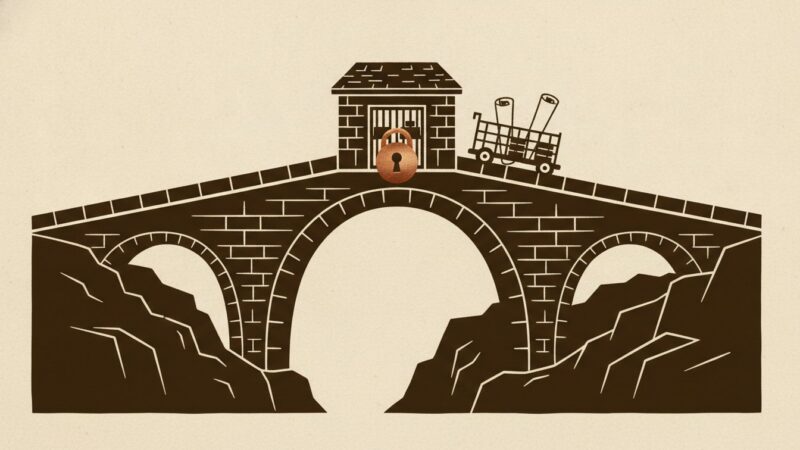
A bridge locks assets on one chain and issues claims on another, which makes it a custodian with an unusually large, concentrated…
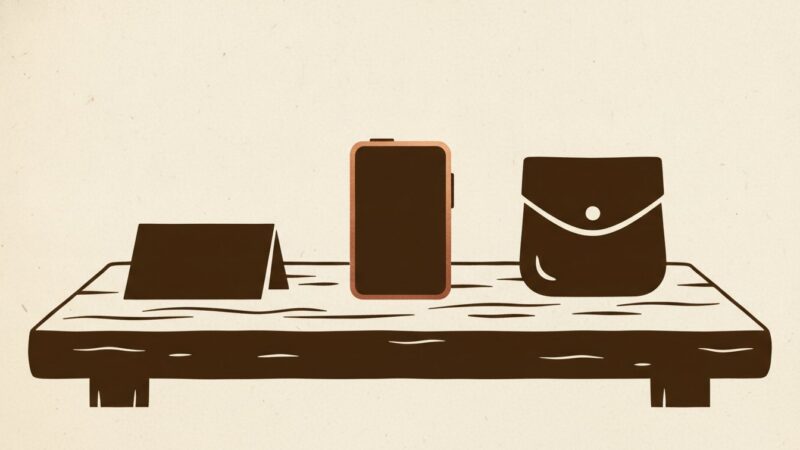
Self-custody removes custodian risk and replaces it with personal operational risk. Hardware wallets, seed-phrase backups and recovery testing each carry their own…
A self-custodied wallet has no built-in succession process. Without a deliberate plan, assets are not inherited when a holder dies or becomes…

A SOC report is a structured, independently tested description of specific controls over a specific period. It is not a financial audit…

The company a client signs up with is not always the company holding the keys. Sub-custody chains are common and often undisclosed,…